
Understanding Type 2 Diabetes
TYPE 2 DIABETES OVERVIEW
(https://mems.my/about-type-2-d...)
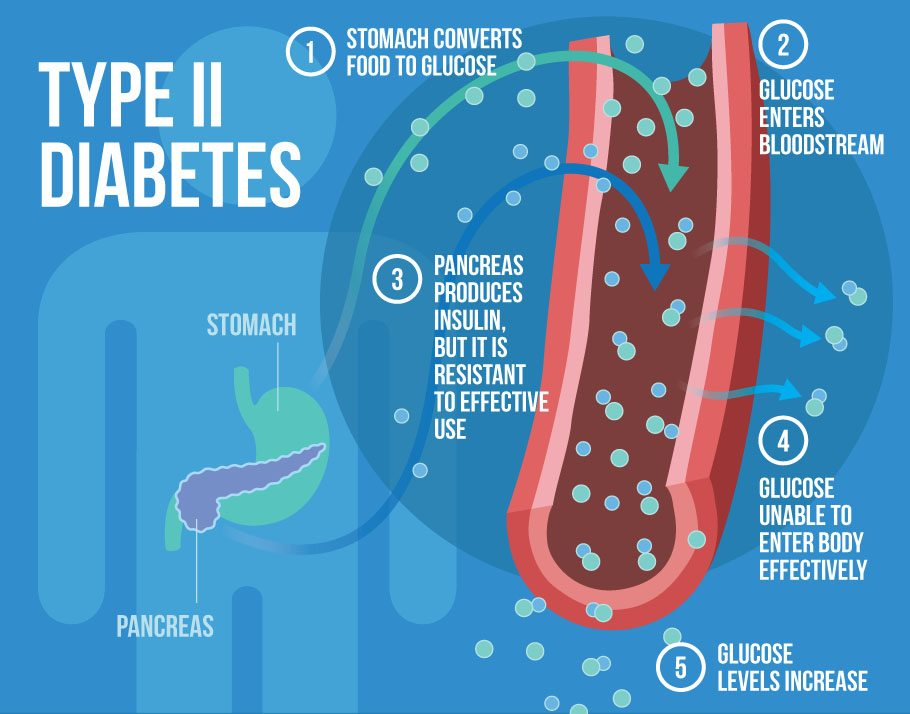
Type 2 diabetes mellitus (T2DM) is a chronic metabolic disorder that disrupts how the body uses glucose (sugar) and processes other energy sources, including fat (American Diabetes Association [ADA], 2024a; ADA, 2024). All body cells need glucose to function, and insulin helps glucose enter the cells; however, in type 2 diabetes, body tissues develop insulin resistance and stop responding properly to normal insulin levels, and over time the pancreas becomes unable to produce enough insulin to overcome this resistance (Centers for Disease Control and Prevention [CDC], 2024a; National Institute of Diabetes and Digestive and Kidney Diseases [NIDDK], 2023). Excess body weight and visceral or hepatic fat increase insulin demand and worsen insulin resistance, which can lead to persistent hyperglycemia and long-term complications if left unmanaged (World Health Organization [WHO], 2023; McCulloch, 2024; ADA, 2024; DeFronzo et al., 2015). Because of these risks, people with type 2 diabetes require regular monitoring and ongoing treatment to maintain blood sugar goals, using lifestyle changes, self-care measures, and medications to reduce diabetes-related and cardiovascular complications (ADA, 2024b; ADA, 2024; UK Prospective Diabetes Study [UKPDS], 1998).
TYPE 2 DIABETES TREATMENT GOALS
The main goals of treatment are to keep blood sugar within a target range, manage common comorbidities such as hypertension and dyslipidemia, and stop smoking to reduce the risk of complications (ADA, 2024a; ADA, 2024). Maintaining glucose within individualized targets helps prevent long-term microvascular and macrovascular complications involving the eyes, kidneys, and nervous system, as well as cardiovascular disease (ADA, 2024b; ADA, 2024; UKPDS, 1998).
(https://novi-health.com/librar...)
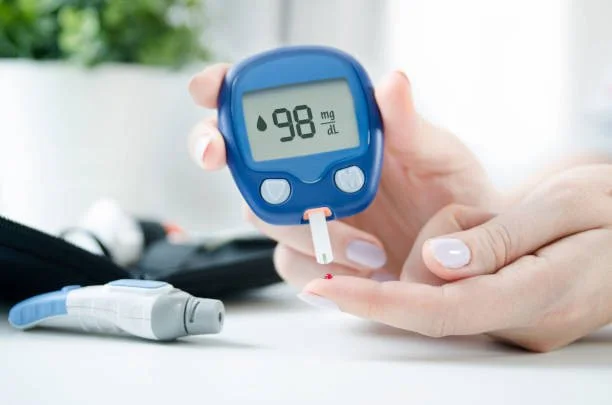
Home blood glucose monitoring is commonly recommended for patients using insulin or medications associated with hypoglycemia risk, but it may not be necessary for people managed by diet alone or by medications that do not cause low blood sugar (ADA, 2024c; ADA, 2024; Nathan et al., 2009). Blood sugar tests may include random glucose (any time of day) and fasting glucose (after 8–12 hours of no intake); a typical normal fasting range is 70–100 mg/dL (3.9–5.6 mmol/L), though individualized targets may differ for people with diabetes (ADA, 2024a; CDC, 2023). A key monitoring tool is the A1C test, which reflects average blood glucose over the past two to three months; for most non-pregnant adults, a target A1C of <7% (53 mmol/mol) corresponds to an average glucose of about 150–154 mg/dL (8.5–8.6 mmol/L), and lowering A1C reduces the risk of microvascular complications, with individualized targets used when appropriate (ADA, 2024a; ADA, 2024b; McCulloch, 2024).

(https://www.lalpathlabs.com/bl...)
Cardiovascular disease is a major long-term risk in type 2 diabetes and occurs at roughly twice the risk compared with people without diabetes, so cardiovascular risk reduction includes quitting smoking, managing blood pressure and cholesterol through lifestyle and medication, and using low-dose aspirin when clinically indicated (CDC, 2024b; ADA, 2024a; ADA, 2024; Grundy et al., 2019). Some glucose-lowering medications also provide cardiovascular benefits, which is important when selecting therapy (ADA, 2024d; ADA, 2024).
DIET AND EXERCISE IN TYPE 2 DIABETES
(https://drgirishkirad.com/what...)
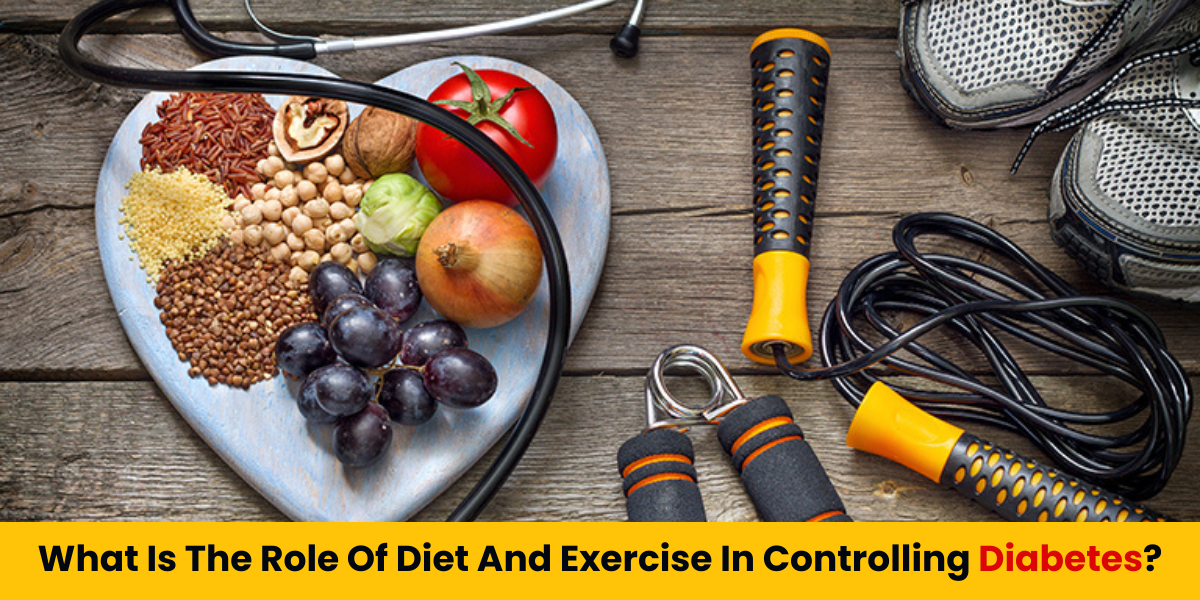
Diet and exercise are foundational in type 2 diabetes management and are recommended for all individuals with T2DM (ADA, 2024a; ADA, 2024). Dietary changes can improve weight management, blood pressure, lipid levels, and insulin sensitivity, with especially strong emphasis on eliminating or significantly reducing sugary beverages and practicing portion control to support glycemic outcomes and overall cardiometabolic health (ADA, 2024e; ADA, 2024; WHO, 2023; NIDDK, 2023). Regular physical activity improves insulin sensitivity and lowers blood glucose even without weight loss, and both aerobic and resistance exercise support better glycemic control and reduced cardiovascular risk (ADA, 2024f; ADA, 2024; CDC, 2023; Colberg et al., 2016).
TYPE 2 DIABETES MEDICINES
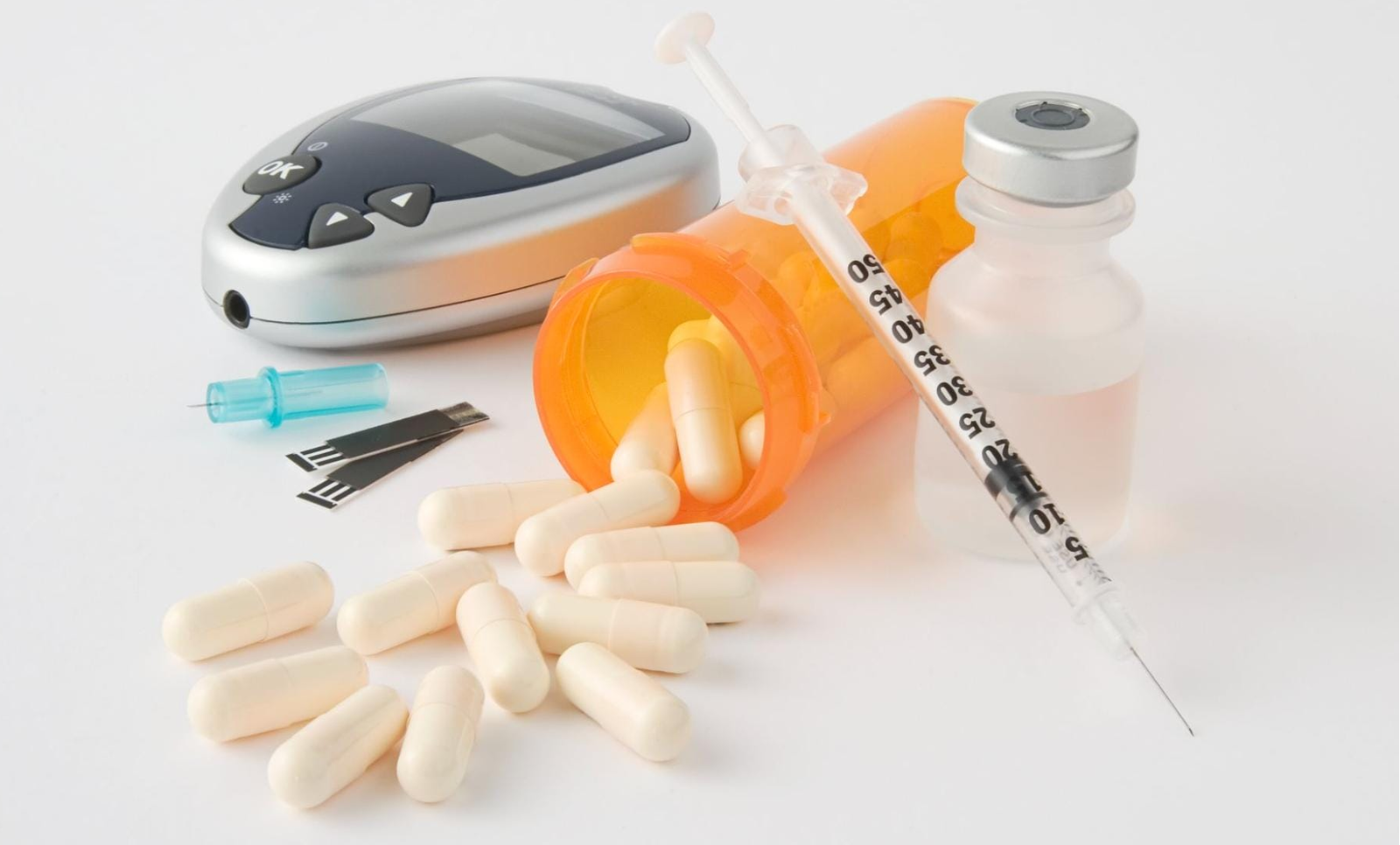
Many medication classes are available to treat type 2 diabetes, and selection depends on A1C level, weight considerations, hypoglycemia risk, comorbidities, cost, and patient preferences (ADA, 2024d; ADA, 2024).
(https://www.endocrinologyadvis...)
Metformin
Metformin is the first-line medication for most newly diagnosed patients because it improves insulin sensitivity and lowers blood glucose by reducing hepatic glucose production; it is typically started at a low dose (often with the last meal of the day) and gradually titrated, with common gastrointestinal side effects that are usually reduced by taking it with food, while caution or avoidance is advised in severe renal or hepatic disease, excessive alcohol use, or acute illness (ADA, 2024d; ADA, 2024; McCulloch, 2024).
Adding a Second Medicine (Combination Therapy)
If glycemic goals are not met after about 2–3 months on metformin, a second medication may be added; higher A1C levels (e.g., >9%) may prompt consideration of insulin or GLP-1 receptor agonists depending on overall clinical context (ADA, 2024d; ADA, 2024).
Sulfonylureas (e.g., Gliclazide, Glimepiride)
Sulfonylureas increase insulin secretion and are inexpensive and effective, but they carry risks of hypoglycemia and weight gain; shorter-acting agents such as glipizide and glimepiride are commonly preferred, and low blood sugar episodes should be treated promptly with fast-acting carbohydrates (ADA, 2024d; ADA, 2024; UKPDS, 1998).
DPP-4 inhibitors increase meal-related insulin response, are generally weight-neutral, and have low hypoglycemia risk when used alone, with rare risks such as pancreatitis or hypersensitivity reactions (ADA, 2024d; ADA, 2024; Food and Drug Administration [FDA], 2022).
SGLT2 inhibitors lower blood sugar by increasing urinary glucose excretion and offer cardiovascular and renal benefits, particularly for patients with heart failure or chronic kidney disease, though adverse effects can include genital infections, dehydration, and rare diabetic ketoacidosis (ADA, 2024d; ADA, 2024; FDA, 2020; Zinman et al., 2015).
GLP-1 Receptor Agonists and Dual Agonists
GLP-1 receptor agonists and dual agonists enhance insulin release, slow digestion, and promote satiety, supporting glycemic control and weight loss and offering cardiovascular benefits in selected patients, although gastrointestinal side effects are common early on and cost may be a barrier (ADA, 2024d; ADA, 2024; McCulloch, 2024; Marso et al., 2016).
Meglitinides are rapid pre-meal insulin stimulators with hypoglycemia risk (ADA, 2024d; ADA, 2024).
Thiazolidinediones are insulin sensitizers associated with weight gain, edema, and fracture risk (ADA, 2024d; ADA, 2024).
Alpha-glucosidase inhibitors delay carbohydrate absorption but often cause gastrointestinal side effects (ADA, 2024d; ADA, 2024).
Insulin can be started at any stage when targets are not met or during acute illness, requires careful titration to minimize hypoglycemia and weight gain, and may improve outcomes when used earlier in selected patients (ADA, 2024g; ADA, 2024).
LIVING WITH TYPE 2 DIABETES
(https://www.health.harvard.edu...)
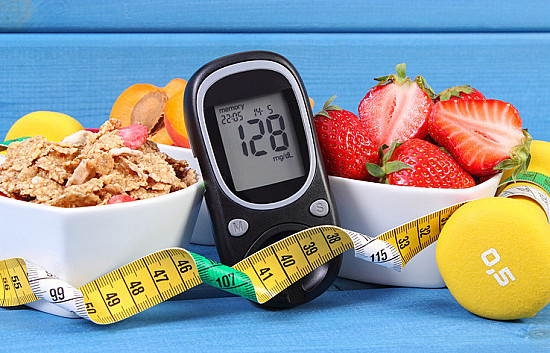
Living with type 2 diabetes requires long-term self-management, including monitoring (when needed), diet changes, regular exercise, and consistent medication use, which can be stressful and may contribute to diabetes distress, burnout, or depression (ADA, 2024b; CDC, 2023; Young-Hyman et al., 2016). Support from healthcare providers, family, friends, and counseling resources can help people build resilience, stay engaged with daily self-care, and cope with the emotional demands of managing a lifelong condition (ADA, 2024b; Young-Hyman et al., 2016).
Need Help Managing Your Diabetes? MedsGo Offers FREE Teleconsultation
If you’re unsure which diabetes medicine is right for you, or if you want guidance based on your symptoms, MedsGo offers FREE teleconsultation with licensed physicians. This service helps you get proper medical advice without leaving home—perfect for busy schedules, mobility concerns, or when you simply need quick, reliable guidance. You’ll receive professional assessment, safe dose recommendations, and help in choosing the right medications.
Book your free consult here: https://typeform.v.medsgo.ph/t...
References (APA 7th Edition)
American Diabetes Association. (2024). Standards of Care in Diabetes—2024. Diabetes Care, 47(Supplement_1), S1–S4. https://doi.org/10.2337/dc24-S...
American Diabetes Association. (2024a). Standards of care in diabetes—2024. Diabetes Care, 47(Suppl. 1), S1–S308. https://doi.org/10.2337/dc24-S...
American Diabetes Association. (2024b). 6. Glycemic goals and hypoglycemia: Standards of care in diabetes—2024. Diabetes Care, 47(Suppl. 1), S77–S88. https://doi.org/10.2337/dc24-S...
American Diabetes Association. (2024c). Patient education: Blood glucose monitoring in diabetes. https://diabetes.org/tools-res...
American Diabetes Association. (2024d). 9. Pharmacologic approaches to glycemic treatment: Standards of care in diabetes—2024. Diabetes Care, 47(Suppl. 1), S158–S178. https://doi.org/10.2337/dc24-S...
American Diabetes Association. (2024e). Patient education: Type 2 diabetes and diet. https://diabetes.org/food-nutr...
American Diabetes Association. (2024f). Patient education: Exercise and type 2 diabetes. https://diabetes.org/health-we...
American Diabetes Association. (2024g). 13. Older adults: Standards of care in diabetes—2024. Diabetes Care, 47(Suppl. 1), S244–S253. https://doi.org/10.2337/dc24-S...
Centers for Disease Control and Prevention. (2023, December 30). Type 2 diabetes. U.S. Department of Health and Human Services. https://www.cdc.gov/diabetes/b...
Centers for Disease Control and Prevention. (2024a). Type 2 diabetes. https://www.cdc.gov/diabetes/b...
Centers for Disease Control and Prevention. (2024b). National diabetes statistics report. https://www.cdc.gov/diabetes/d...
Colberg, S. R., Sigal, R. J., Yardley, J. E., et al. (2016). Physical activity/exercise and diabetes: A position statement of the American Diabetes Association. Diabetes Care, 39(11), 2065–2079. https://doi.org/10.2337/dc16-1...
DeFronzo, R. A., et al. (2015). Pathophysiologic approach to therapy in type 2 diabetes mellitus. Diabetes Care, 38(6), 977–987. https://doi.org/10.2337/dc14-2...
Food and Drug Administration. (2020). FDA warns about rare occurrences of diabetic ketoacidosis with SGLT2 inhibitors. https://www.fda.gov
Food and Drug Administration. (2022). Drug safety communications: DPP-4 inhibitors. https://www.fda.gov
Grundy, S. M., et al. (2019). 2018 cholesterol clinical practice guidelines. Circulation, 139(25), e1082–e1143. https://doi.org/10.1161/CIR.00...
Marso, S. P., et al. (2016). Liraglutide and cardiovascular outcomes in type 2 diabetes. New England Journal of Medicine, 375(4), 311–322. https://doi.org/10.1056/NEJMoa...
McCulloch, D. K. (2024). Patient education: Type 2 diabetes: Overview (Beyond the Basics). UpToDate. Retrieved from https://www.uptodate.com/conte...
Nathan, D. M., et al. (2009). Medical management of hyperglycemia in type 2 diabetes. Diabetes Care, 32(1), 193–203. https://doi.org/10.2337/dc08-9...
National Institute of Diabetes and Digestive and Kidney Diseases. (2023). What is type 2 diabetes? U.S. National Institutes of Health. https://www.niddk.nih.gov/heal...
UK Prospective Diabetes Study (UKPDS) Group. (1998). Intensive blood-glucose control with sulphonylureas or insulin. The Lancet, 352(9131), 837–853.
World Health Organization. (2023). Diabetes. https://www.who.int/news-room/...
Young-Hyman, D., et al. (2016). Psychosocial care for people with diabetes. Diabetes Care, 39(12), 2126–2140. https://doi.org/10.2337/dc16-2...
Zinman, B., et al. (2015). Empagliflozin, cardiovascular outcomes, and mortality in type 2 diabetes. New England Journal of Medicine, 373(22), 2117–2128. https://doi.org/10.1056/NEJMoa...
No posts found
Write a review