
Understanding Type 1 Diabetes

(source: https://joslin.org/services/as...)
What Is Type 1 Diabetes?
Type 1 diabetes is a lifelong condition where the pancreas makes little to no insulin. Insulin is a hormone that acts like a “key” – it lets sugar (glucose) from the food you eat move from the blood into your body’s cells, where it’s used for energy or stored for later.
If there’s not enough insulin:
- Glucose stays in the bloodstream
- Blood sugar levels rise
- Over time, high blood sugar can damage the heart, eyes, kidneys, nerves, and blood vessels
Because the pancreas in type 1 diabetes can’t produce enough insulin on its own, insulin treatment is always required. The goal is to keep blood sugar as close to normal as safely possible, to help you feel well now and prevent complications later.
The good news: With modern insulin, devices, and planning, people with type 1 diabetes can study, work, travel, exercise, have families, and live full lives.
(Atkinson et al., 2014; ADA, 2024; Association of Diabetes Care & Education Specialists, 2022)
(source: https://www.apollo247.com/blog...)
Starting Insulin: What to Expect
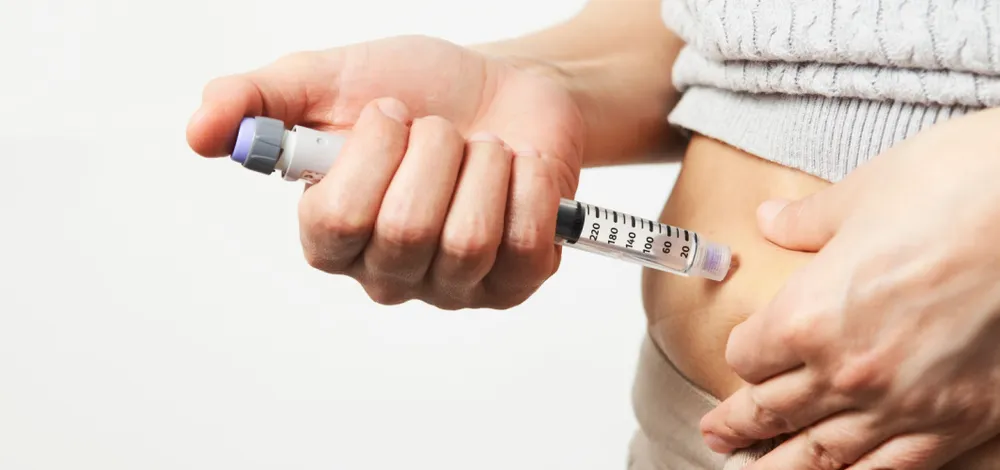
Everyone with type 1 diabetes needs insulin from outside the body. It’s given:
- Under the skin (subcutaneous) as:
- Multiple daily injections (using a pen or syringe), or
- Continuous delivery via an insulin pump
Finding the Right Dose
When you first start insulin, there’s a “trial and adjust” period:
- Your doctor or diabetes nurse will start with an estimate based on your weight and situation
- You’ll check your blood sugar several times a day or use a continuous glucose monitor (CGM)
- Your doses are then adjusted step by step to:
- Keep blood sugar in your target range
- Avoid frequent low blood sugar (hypoglycemia)
Insulin needs are not static. They can change with:
- Weight gain or loss
- Changes in diet (what and when you eat)
- Exercise or physical activity
- Illness, stress, or infections
- Pregnancy
- Work and sleep schedules
Most people eventually learn to adjust some of their own doses (for example, before meals), but your diabetes team will still review your readings and settings regularly, usually every 3–6 months.
(Powers & D’Alessio, 2022; Hirsch, 2021; ADA, 2024)
(source: https://www.healthline.com/hea...)
Types of Insulin: Fast, Slow, and In Between
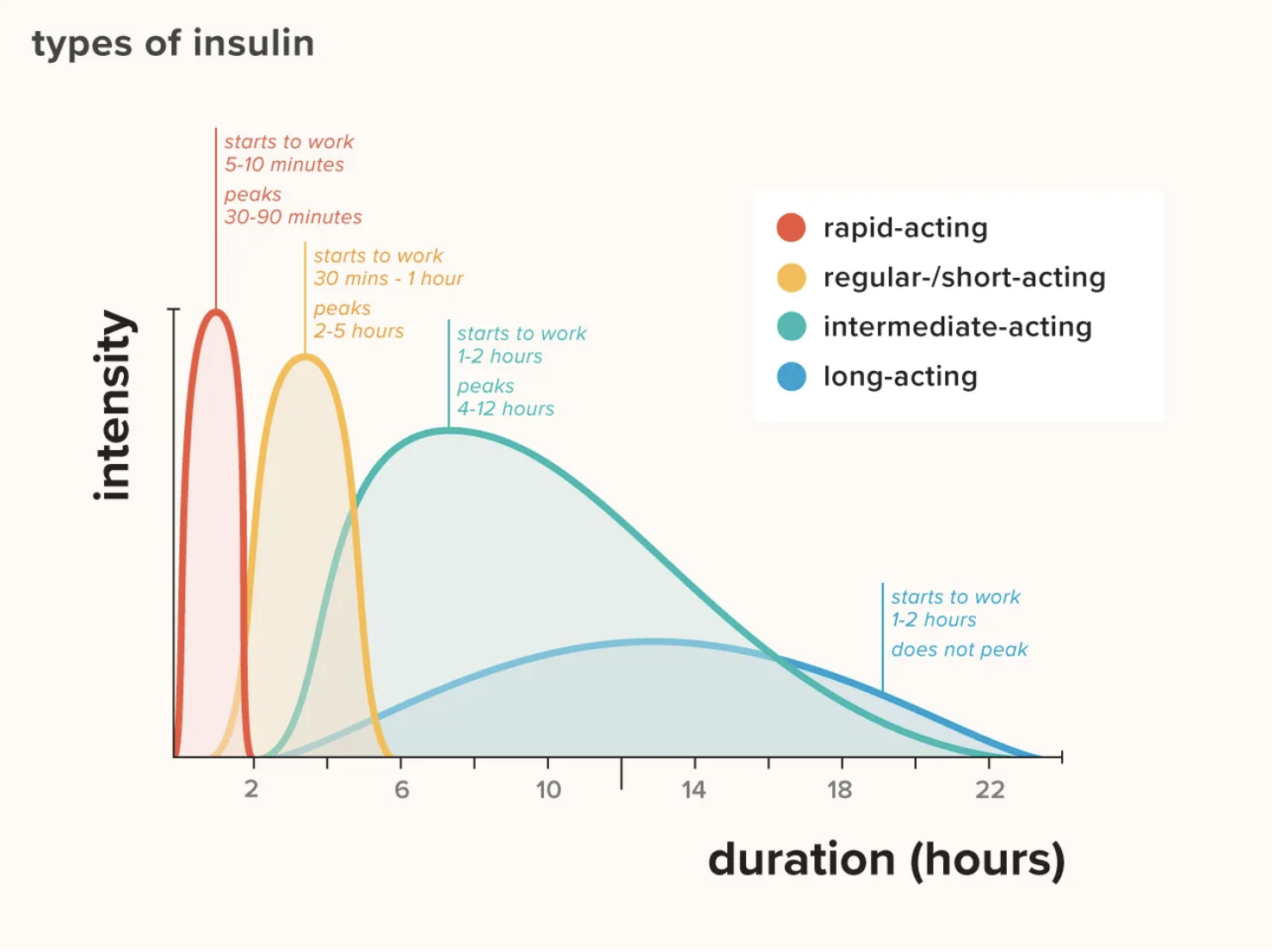
Insulin types are grouped by:
- How quickly they start working, and
- How long they last in your body
You and your care team will combine these to give you coverage 24 hours a day.
Main Insulin Types
- Rapid-acting insulin
- Examples: insulin lispro, insulin aspart, insulin glulisine
- Starts working in minutes
- Used before meals to control the rise in blood sugar after eating
- Short-acting insulin (regular)
- Example: regular insulin
- Older “meal-time” insulin; starts a bit slower than rapid-acting
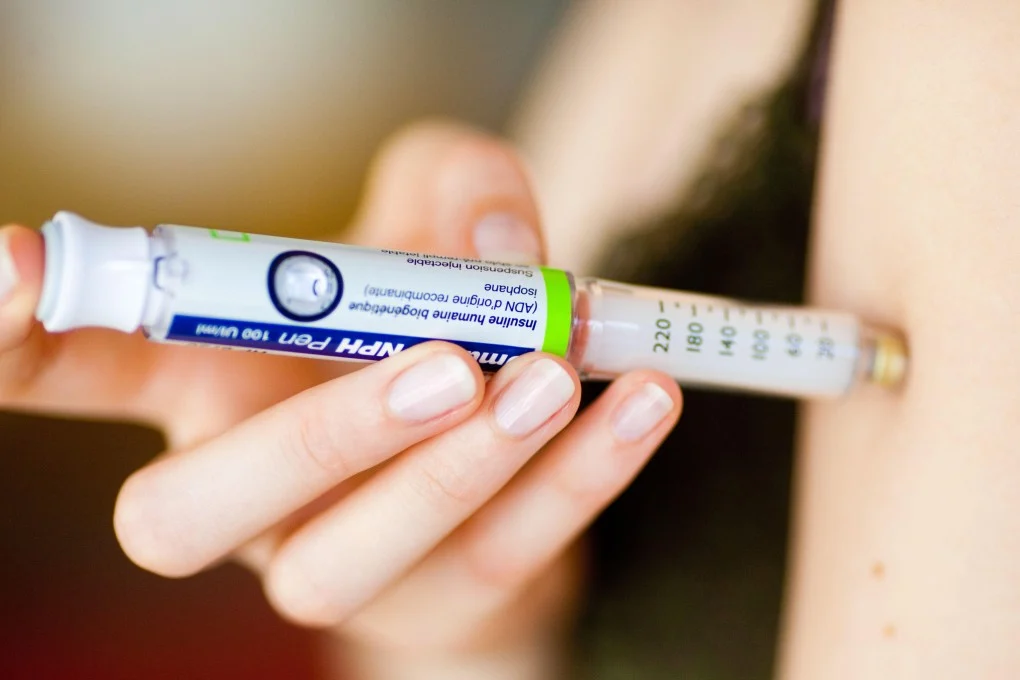
- Intermediate-acting insulin
- Example: NPH insulin
- Sometimes used as a “basal” insulin; action is medium-length
- Long-acting insulin
- Example: insulin glargine
- Provides a steady background level over about 24 hours
- Very long-acting insulin
- Examples: insulin degludec, more concentrated glargine
- Can last longer than 24 hours with a very stable effect
Most insulins come in a standard strength (100 units per milliliter), but some are more concentrated for people who need larger doses. Your health care team will tell you exactly which type and strength you’re using.
(Hirsch, 2021; Pickup & Renard, 2008).
(source: https://www.scmp.com/week-asia...)
Insulin Regimens: How We Mimic a Healthy Pancreas
The goal of modern insulin regimens is to imitate how a person without diabetes makes insulin:
- A steady trickle all day and night (basal insulin)
- Bursts of insulin at meals (bolus insulin)
Intensive Insulin Therapy
“Intensive” means more effort, but also better control. It usually involves:
- Multiple daily injections (at least 3–4 per day), or
- An insulin pump continuously giving rapid-acting insulin
- Frequent blood sugar checks or use of a CGM
Your regimen typically includes:
- Basal insulin– long-acting or very long-acting insulin (or a pump’s basal rate) to cover you between meals and overnight
- Bolus (prandial) insulin– rapid-acting insulin before meals and sometimes for corrections if blood sugar is high
Why Intensive Therapy?
Done correctly, intensive insulin therapy:
- Improves day-to-day wellbeing (less thirst, fatigue, and frequent urination)
- Lowers the risk of long-term complications (eye disease, kidney disease, nerve damage, heart attack, stroke)
Challenges of Intensive Therapy
- You need to coordinate food, activity, and insulin
- Blood sugar checks (or CGM) must be done regularly
- There is a higher risk of low blood sugar, so you must know how to recognize and treat it
- It can initially cause some weight gain, which can be managed with diet and exercise
- It is usually more costly than simpler regimens (more insulin types, more strips, devices), though insurance often covers part of the cost
Staying motivated over the long term is key. Your diabetes team, support groups, and organizations (like the American Diabetes Association and JDRF) can help you stay on track.
(ADA, 2024; DCCT Research Group, 1993; Nathan, 2014; Association of Diabetes Care & Education Specialists, 2022)
Injecting Insulin: Pens, Syringes, and Technique
Insulin needs to be injected into the fat just under the skin, not into muscle.
(source: https://www.health.harvard.edu...)
Insulin Pens
Many people find insulin pens:
- Easier to carry and use outside the home
- More convenient for giving small or precise doses
- Friendlier for people with limited vision or hand strength
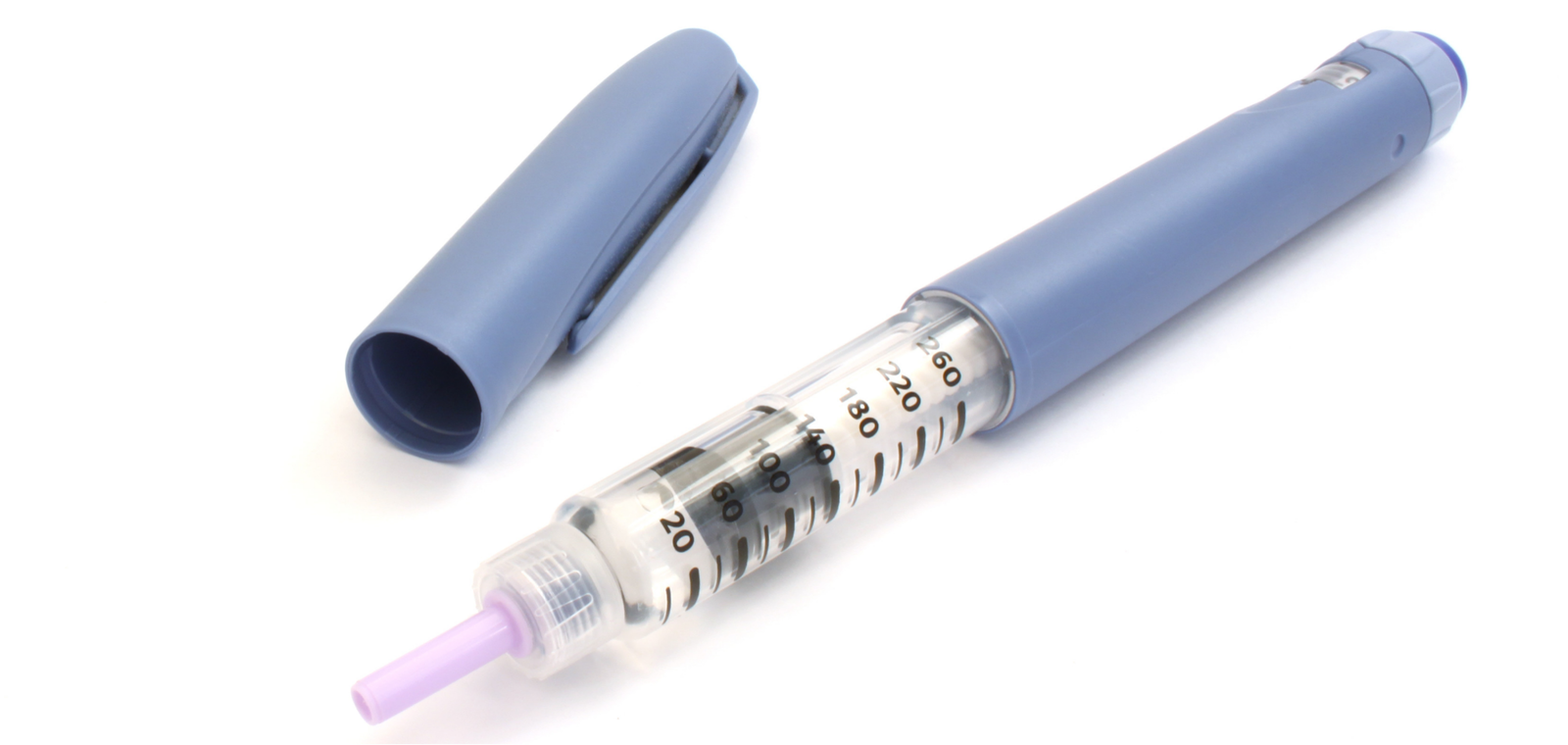
A standard insulin pen:
- Holds a cartridge of insulin
- Lets you dial your dose
- Uses a small disposable needle for each injection
“Smart” pens can:
- Connect with some CGMs or glucose meters
- Sync with smartphone apps to:
- Track doses
- Help calculate doses
- Send reminders and logs to your care team
(source: https://www.kmedhealth.com/wha...)
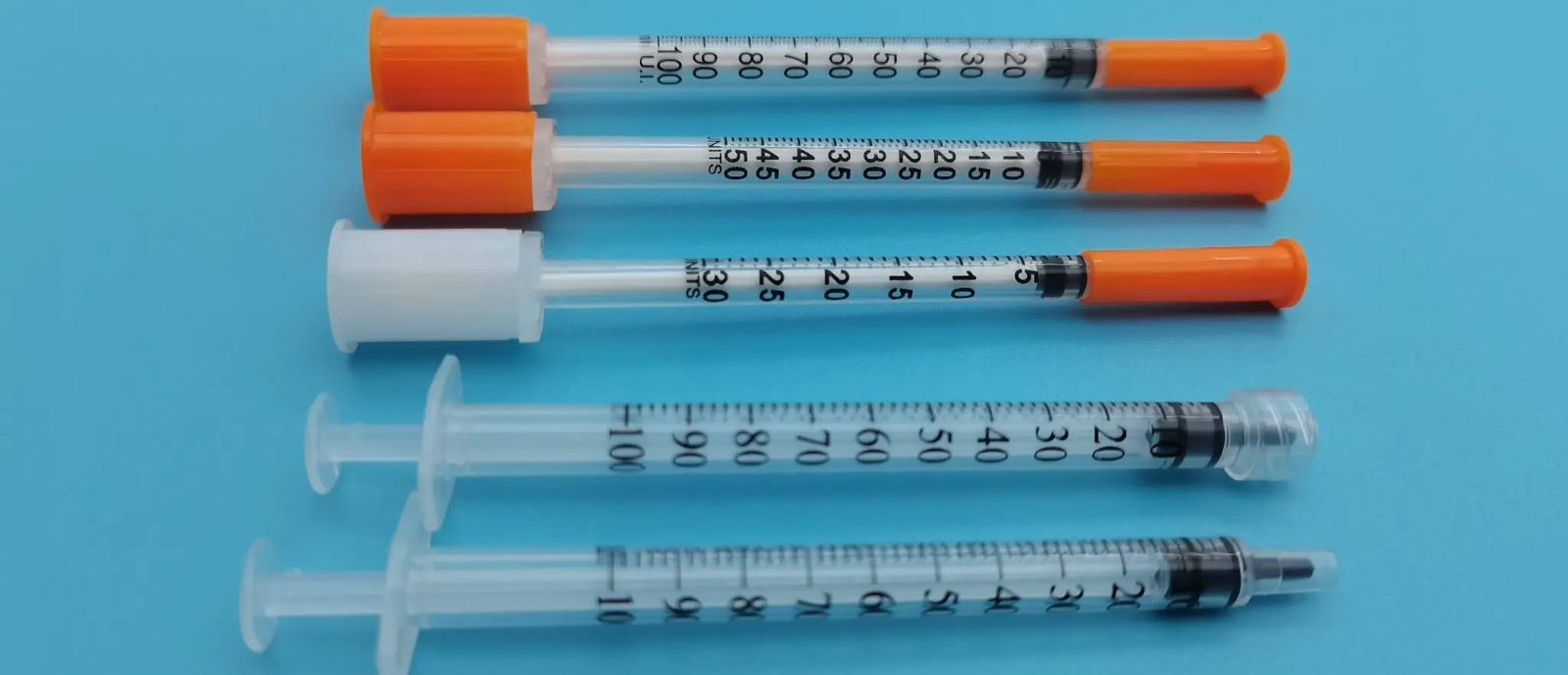
Needle and Syringe
Some people still use:
- A vial (bottle) of insulin
- A syringe and needle to draw up the dose
Key points:
- You must draw up the correct type and amount
- The angle and depth must be appropriate to stay in the fat layer, not the muscle
- Your nurse or doctor can show you the correct technique and help you choose the right needle length
General Injection Technique
- Choose an approved area: belly, outer thighs, upper arms, buttocks
- Rotate sites to avoid lumps or thickened skin
- Pinch up the skin (if needed)
- Insert the needle quickly, inject the insulin slowly, and wait a few seconds before removing the needle
- Don’t rub the site afterward—this can change absorption
Never share needles, syringes, or pens. Used sharps must go into a puncture-proof container (sharps container or a sturdy bottle with a screw cap, depending on local rules).
(Frid et al., 2016; Hirsch, 2021; Grassi et al., 2014)
What Affects How Insulin Works?
Insulin doesn’t always act the exact same way. Several factors can change how fast and how strongly it works.
- Dose Size
- Bigger doses may:
- Take longer to start working
- Last longer than expected
- This can lead to:
- Higher readings soon after a meal
- Unexpected lows later
- Injection Technique
- Needle length and angle matter
- Injecting into muscle (instead of fat) makes insulin act too fast, increasing the risk of low blood sugar
- Injection Site
- Different body areas absorb insulin differently:
- Fastest: abdomen
- Slower: thighs and buttocks
- Intermediate: upper arms
Many people:
- Use the belly for pre-meal insulin (faster action)
- Use thigh/buttock for bedtime basal insulin (slower, smoother action)
- Blood Flow to the Area
Anything that increases blood flow to the skin can make insulin work faster:
- Exercise (especially if you inject into a working limb)
- Hot baths, saunas, hot tubs
- Massaging the injection site
Smoking can decrease skin blood flow and slow absorption.
- Insulin Storage and Expiry
- Unopened insulin should be stored as instructed (usually refrigerated, not frozen, not overheated)
- Once opened:
- Vials and pens are typically good for 28–30 days at room temperature (some types last 42–56 days—check the label)
- After this period, insulin may become weaker, making your blood sugars run higher than expected
If your readings drift upward with no obvious reason and the insulin is old, it may be time to start a new vial or pen.
- Individual Differences
Two people can use the same insulin, same dose, and same timing, and still get slightly different responses. That’s why diabetes management usually involves:
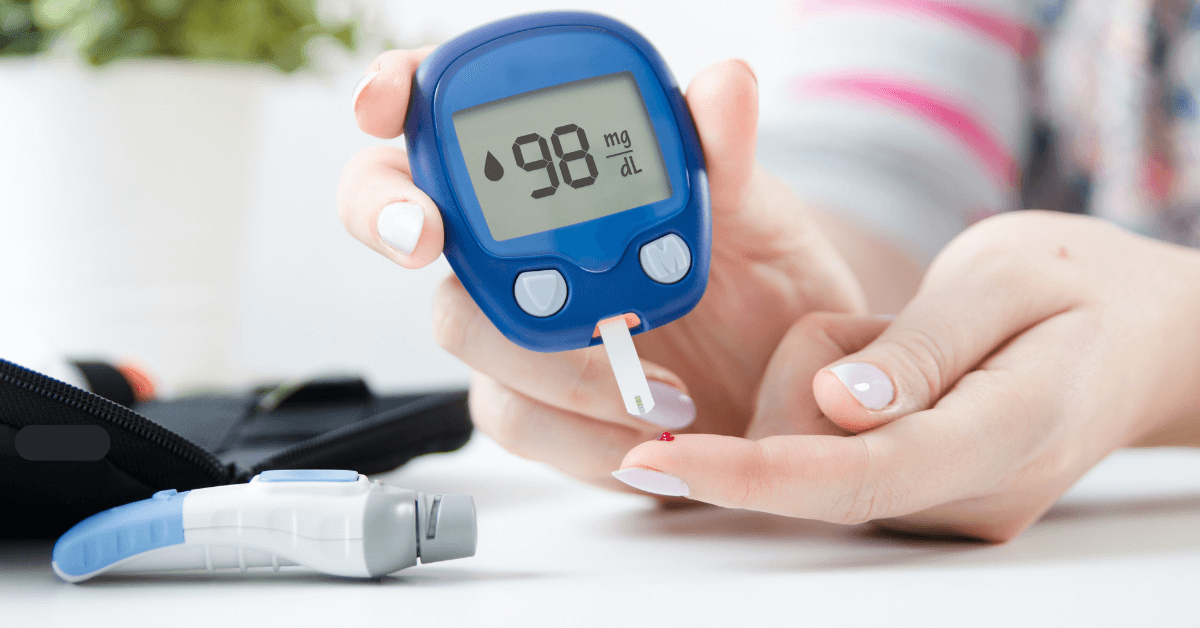
- Careful blood sugar monitoring
- Small adjustments over time
- Personal “pattern recognition” with help from your care team
(Hirsch, 2021; Frid et al., 2016; Grassi et al., 2014; ADA, 2024; Powers & D’Alessio, 2022)
(source: https://surginatal.com/blog/wh...)
Special Situations: Life Happens
- Eating Out: Restaurant meals and parties can make things tricky:
- Portions and ingredients are less predictable
- Carbohydrate counts can be higher than expected
Tips:
- Estimate carbs using nutrition info (if available), apps, or guides
- Keep a rapid-acting carb (like glucose tablets, candy, or juice) with you in case of a low
- Check blood sugar more often or watch your CGM closely
- Surgery: Before surgery, you’re often told not to eat for several hours. Your team may:
- Adjust your basal insulin
- Change your meal/bolus doses
- Give special instructions for the day before and the day of surgery
Never stop insulin completely without clear guidance, especially in type 1 diabetes.
- Infections and Sick Days: Illness (even a simple flu or infection) can:
- Raise blood sugar levels
- Increase the risk of diabetic ketoacidosis (DKA) in type 1 diabetes
On sick days you usually need to:
- Check blood sugar more often
- Sometimes increase insulin doses
- Drink enough fluids
- Possibly check ketones (in the urine or blood), especially if you feel very unwell or have high readings
Nausea, vomiting, abdominal pain, rapid breathing, and fruity-smelling breath can be warning signs of DKA—this is an emergency.
Travel
Travel can mean:
- Time-zone changes
- Different meal timings
- Different activity levels
Before a trip, talk with your team about:
- How to adjust insulin when crossing time zones
- How to store and carry insulin and supplies
- How to manage time in airports and long journeys
Always pack more supplies than you think you’ll need, and keep insulin and devices with you in carry-on luggage.
(ADA, 2024; Powers & D’Alessio, 2022)

(source: https://www.acc.org/Latest-in-...)
Final Thoughts
Type 1 diabetes is a serious condition, but it is manageable. Insulin isn’t a punishment—it’s a powerful tool that replaces what your body can’t make on its own.
With:
- The right insulin regimen
- Proper injection or pump use
- Good monitoring (fingersticks or CGM)
- Awareness of factors that affect insulin action
- A solid plan for special situations
…you can keep your blood sugar in a safe range, feel better day to day, and protect your long-term health.
Need Help Managing Your Diabetes? MedsGo Offers FREE Teleconsultation
If you’re unsure which diabetes medicine is right for you, or if you want guidance based on your symptoms, MedsGo offers FREE teleconsultation with licensed physicians. This service helps you get proper medical advice without leaving home—perfect for busy schedules, mobility concerns, or when you simply need quick, reliable guidance. You’ll receive professional assessment, safe dose recommendations, and help in choosing the right medications.
Book your free consult here: https://typeform.v.medsgo.ph/t...
REFERENCES:
American Diabetes Association. (2024). 2. Classification and diagnosis of diabetes: Standards of Medical Care in Diabetes—2024. Diabetes Care, 47(Suppl. 1), S16–S33. https://doi.org/10.2337/dc24-S...
Atkinson, M. A., Eisenbarth, G. S., & Michels, A. W. (2014). Type 1 diabetes. The Lancet, 383(9911), 69–82. https://doi.org/10.1016/S0140-...
Association of Diabetes Care & Education Specialists. (2022). Type 1 diabetes: A guide for patients and families. ADCES.
Frid, A. H., Kreugel, G, Grassi, G., Halimi, S., Hicks, D., Hirsch, L. J., ... & Strauss, K. (2016). New insulin delivery recommendations. Mayo Clinic Proceedings, 91(9), 1231–1255. https://doi.org/10.1016/j.mayo...
Grassi, G., Scuntero, P., Trepiccioni, R., Marubbi, F., & Strauss, K. (2014). Optimizing insulin injection technique and its effect on blood glucose control. Journal of Clinical & Translational Endocrinology, 1(4), 145–150. https://doi.org/10.1016/j.jcte...
Hirsch, I. B. (2021). Insulin analogues. New England Journal of Medicine, 385(10), 923–935. https://doi.org/10.1056/NEJMra...
Nathan, D. M. (2014). The diabetes control and complications trial/epidemiology of diabetes interventions and complications study at 30 years: Overview. Diabetes Care, 37(1), 9–16. https://doi.org/10.2337/dc13-2...
Pickup, J. C., & Renard, E. (2008). Long-acting insulin analogs versus insulin pump therapy for the treatment of type 1 and type 2 diabetes. Diabetes Care, 31(Suppl. 2), S140–S145. https://doi.org/10.2337/dc08-S...
Powers, A. C., & D’Alessio, D. (2022). Treatment of type 1 diabetes. In J. L. Jameson et al. (Eds.), Harrison’s principles of internal medicine (21st ed.). McGraw-Hill.
The Diabetes Control and Complications Trial Research Group. (1993). The effect of intensive treatment of diabetes on the development and progression of long-term complications in insulin-dependent diabetes mellitus. New England Journal of Medicine, 329(14), 977–986. https://doi.org/10.1056/NEJM19...
No posts found
Write a review