
Understanding Dyslipidemia
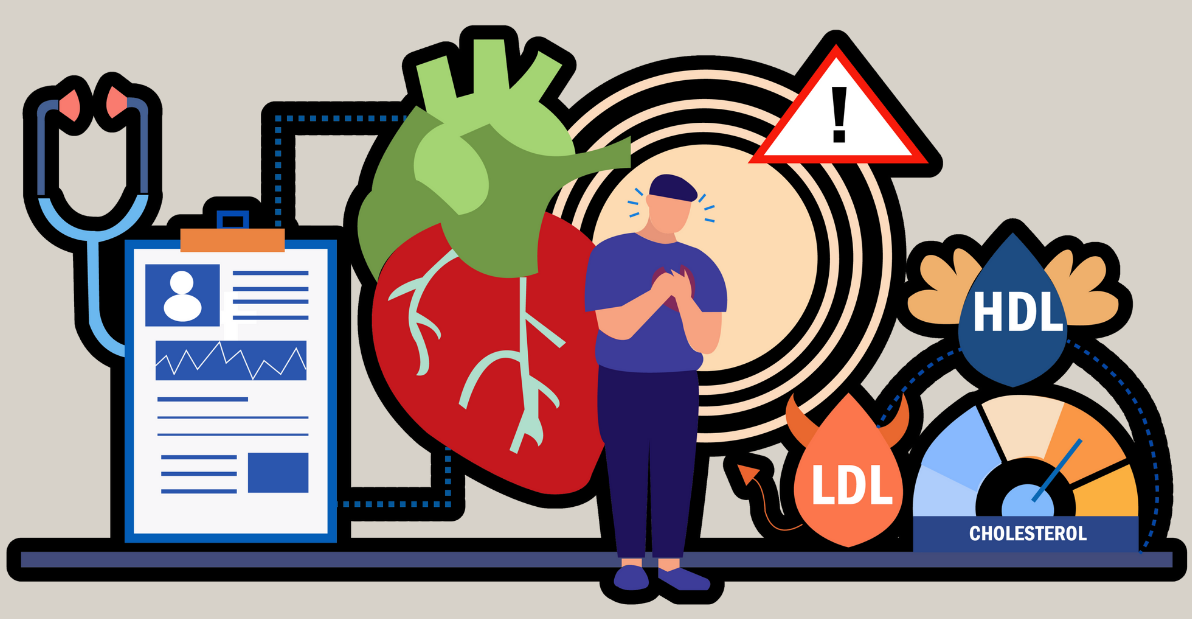
Understanding High Cholesterol
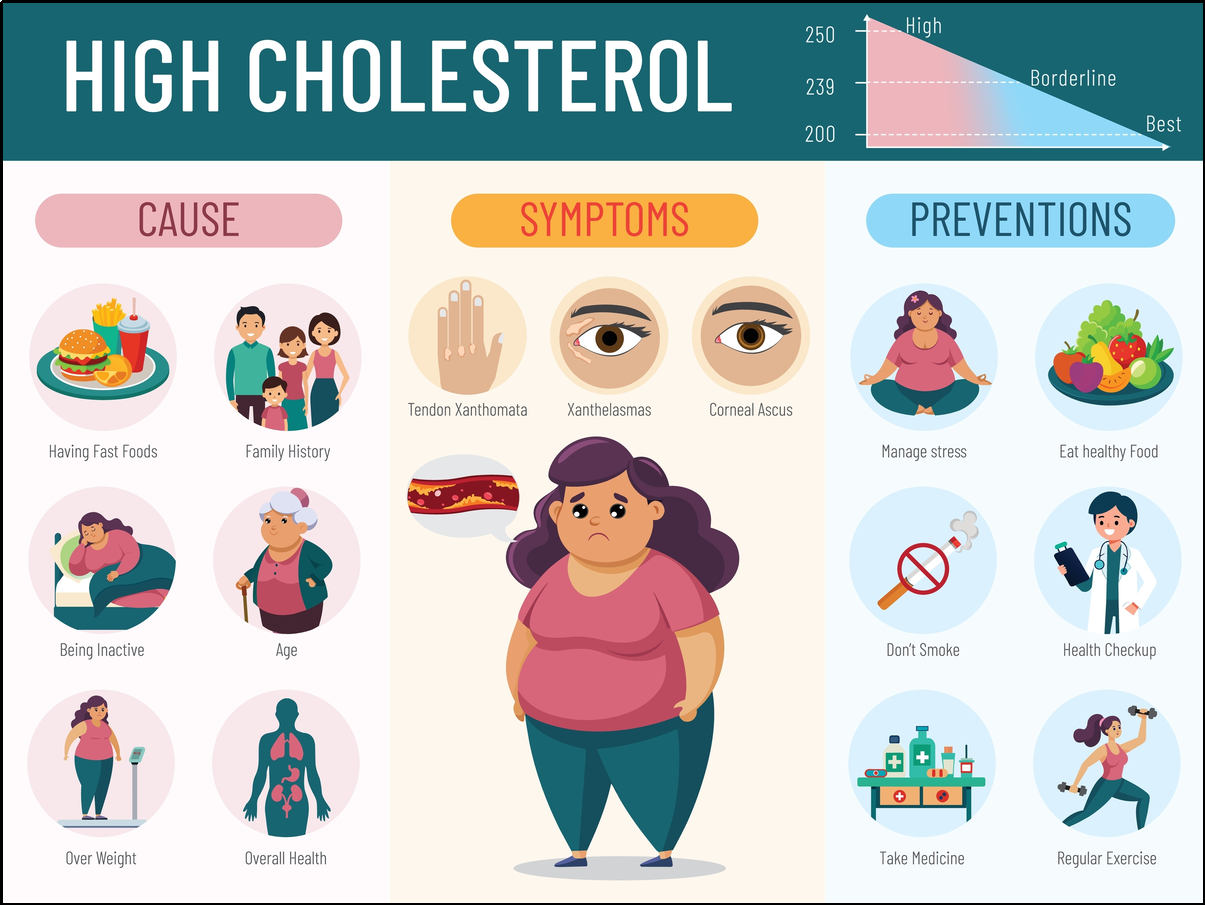
Having high cholesterol (doctors call it hypercholesterolemia or dyslipidemia) can quietly raise your chances of developing chest pain, heart attack, and stroke. The good news? We now have many proven ways to lower cholesterol and reduce these risks.
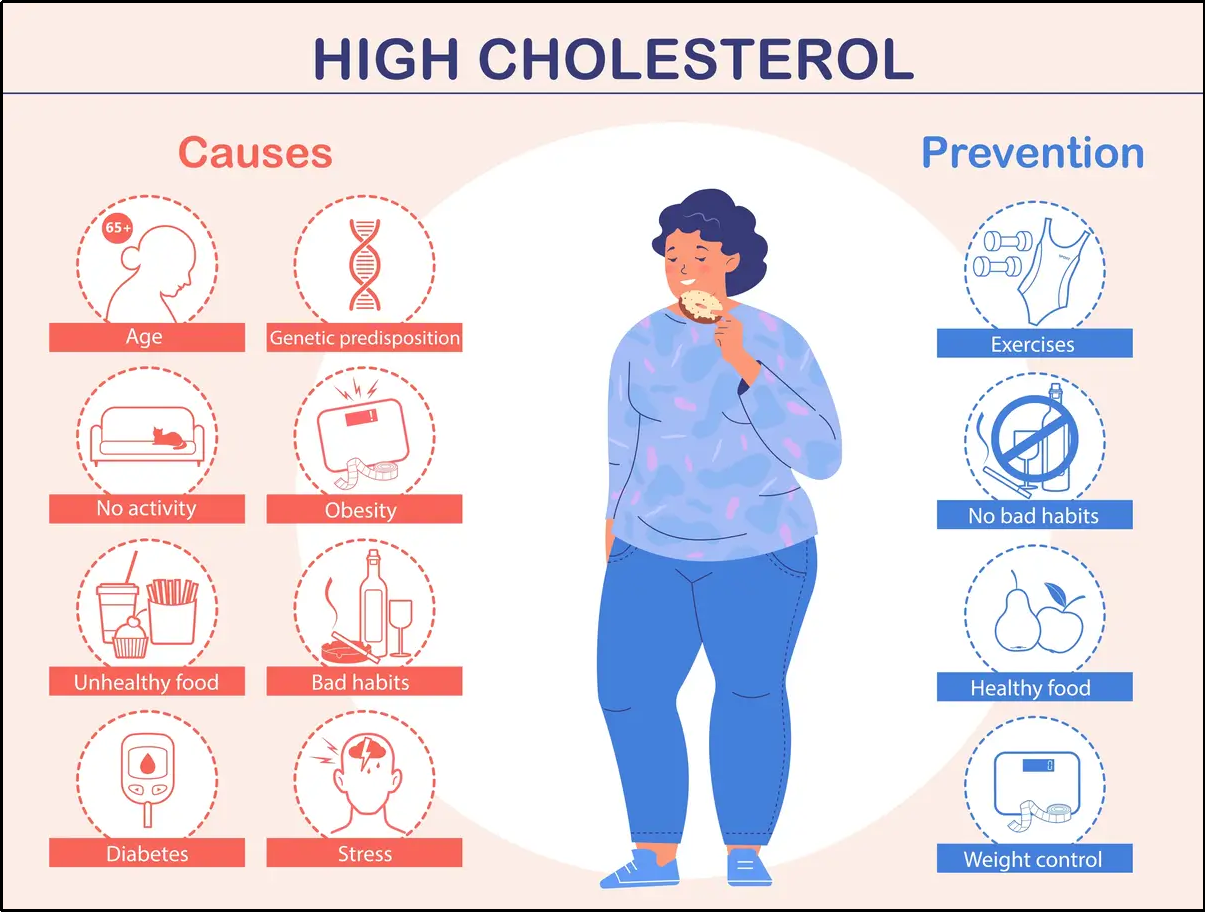
(source: https://www.harleystreet.sg/kb...)
In the past, total cholesterol was the main number people watched. Today, experts pay closer attention to low-density lipoprotein (LDL), often called the “bad” cholesterol. Higher LDL levels are linked with a greater likelihood of:
- Heart attack
- Stroke
- Needing a stent or bypass surgery
- Dying from cardiovascular causes
Decades of research show that lowering LDL leads directly to fewer of these events.
Another blood fat, triglycerides, is also tied to higher heart disease risk. On the flip side, high-density lipoprotein (HDL), or “good” cholesterol, tends to be associated with lower risk. However, studies suggest that simply raising HDL with treatment doesn’t necessarily translate into fewer heart attacks or strokes.
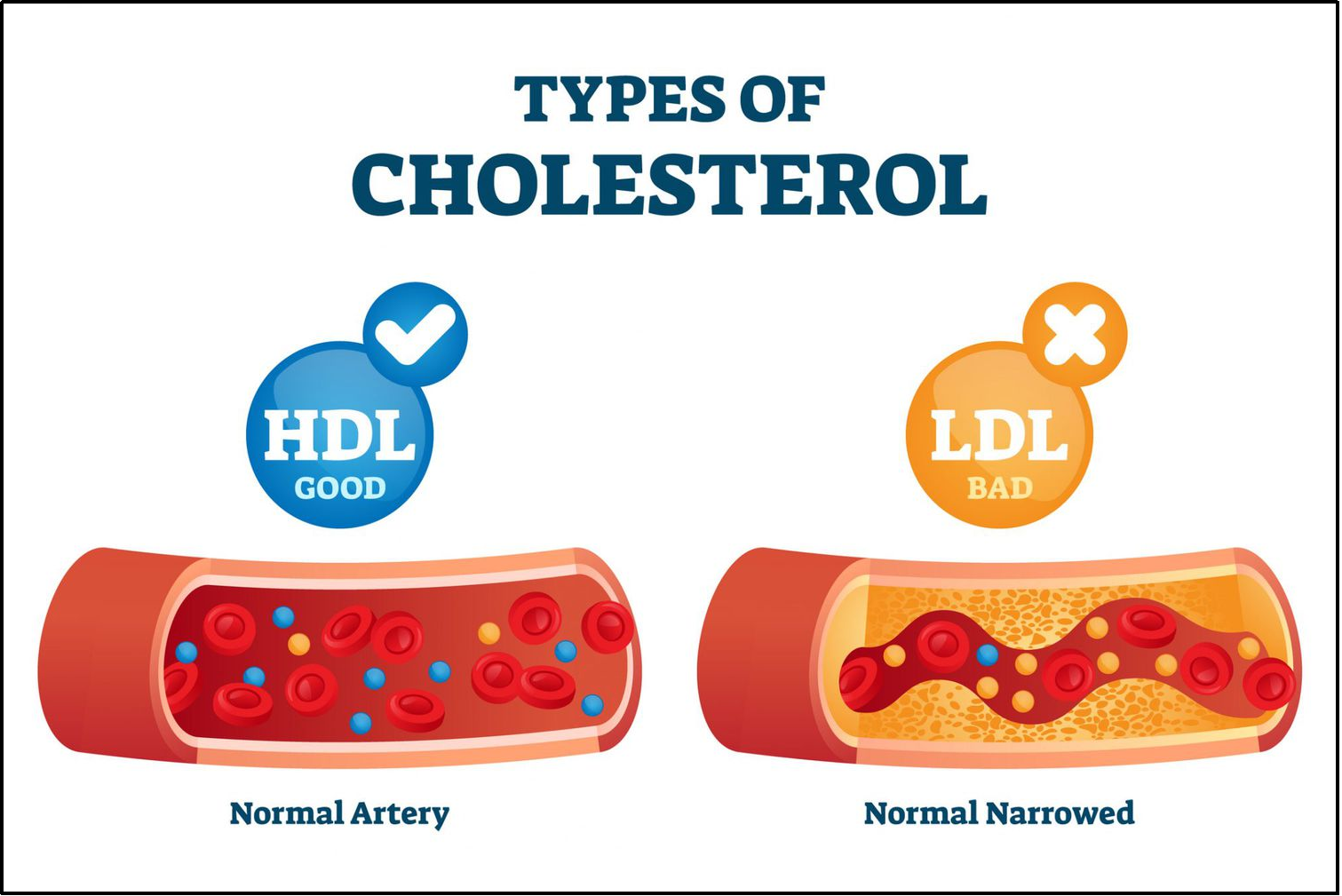
(source: https://www.allrecipes.com/art...)
The encouraging part: for most people, LDL and triglycerides can be brought down with a combination of:
- Weight loss
- Healthy eating
- Regular exercise
- Cholesterol-lowering medicines
As these numbers improve, your risk of cardiovascular disease (CVD) also goes down. That includes conditions affecting:
- The heart’s blood vessels (coronary artery disease)
- Blood vessels in the brain (cerebrovascular disease)
- Blood vessels in the legs and other limbs (peripheral vascular disease)
Even if you already have CVD, it is not too late to benefit from bringing your cholesterol under better control.
This article focuses on when treatment is recommended, what your options are, and how effective different approaches can be.
Do You Need Treatment for High Cholesterol?
There’s no one-size-fits-all answer. The decision to start treatment is personalized. Your clinician will think about:
- Your current cholesterol and triglyceride levels
- Whether you already have cardiovascular disease
- Your overall risk of having a heart attack or stroke
- Other risk factors, like diabetes, high blood pressure, or smoking
(Grundy et al., 2009; Mach et al., 2020; McGill & McMahan, 2021)
If You Already Have Cardiovascular Disease (CVD)
If you’ve been diagnosed with coronary heart disease, have had a heart attack or stroke, or have other forms of CVD, lowering LDL cholesterol is especially important.
In most people with CVD, health care providers recommend high-intensity statin therapy, a strong dose of a statin medication that significantly lowers LDL. After starting a statin, LDL is checked again. If it remains above 70 mg/dL (1.81 mmol/L), a second cholesterol-lowering drug may be added. Studies suggest that bringing LDL below 70 mg/dL, and ideally under 55 mg/dL, can even help shrink existing plaque in the arteries.
If you’ve recently been hospitalized for:
- A heart attack (myocardial infarction, or MI), or
- A coronary procedure (such as a stent or bypass surgery)...
you’ll usually be started on a high-dose statin before you leave the hospital, along with advice on lifestyle changes like improving your diet, exercising more, and losing weight if needed, regardless of your starting LDL level.
If you have CVD, your doctor can walk you through the pros and cons of different treatment plans. Some people can’t tolerate statins because of side effects; in these cases, other drug options are available to help lower LDL.
(Cannon et al., 2015; Nicholls et al., 2016)
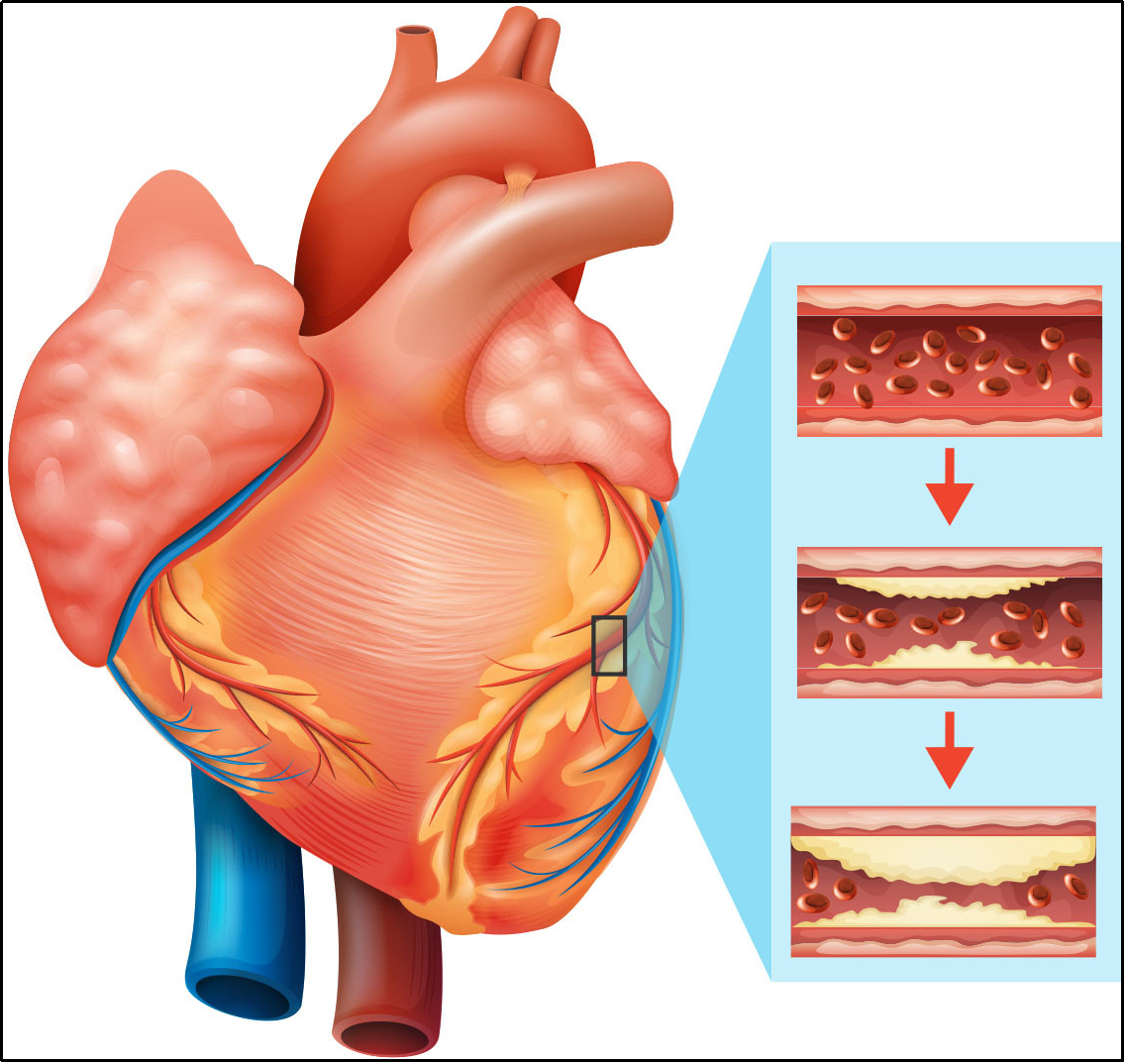
(source: https://www.health.harvard.edu...)
If You Do Not Have Cardiovascular Disease
Even if you’ve never had a heart attack, stroke, or other CVD diagnosis, you may still benefit from cholesterol-lowering therapy. In people without known CVD, the treatment target is usually less aggressive, but still important.
(Ridker & Cook, 2013; USPSTF, 2022)
Here, the key question is: What is your overall risk of developing heart disease?
To help answer this, clinicians often use risk calculators that estimate your 10-year risk of CVD based on:
- Age and sex
- Blood pressure
- Cholesterol levels
- Smoking status
- Diabetes and other medical conditions
Some doctors recommend starting medication if your 10-year risk reaches around 7.5% to 10%. They’ll also consider whether you have additional risk-raising conditions like diabetes or hypertension, and they’ll factor in your values and preferences, how you feel about daily medications versus the risk of future heart problems.
Sometimes, a coronary calcium score is ordered. This is a CT scan that looks for calcium deposits (plaque) in the heart arteries. If plaque is present, it usually tips the balance toward starting treatment. As with people who already have CVD, the first-line drug in most cases is a statin.
(Arnett et al., 2019; Goff et al., 2014)
Special Groups Who Need Extra Attention
- People with High Triglycerides
Triglycerides are another type of blood fat. High levels (hypertriglyceridemia) are linked to increased heart disease risk and, at very high levels, pancreatitis.
Key points:
- Triglycerides should be checked with a fasting blood test, because eating beforehand will raise the number.
- Lifestyle changes are the first line of defense:
- Cut down on refined carbohydrates (like sweets and sugary drinks)
- Avoid excess calories and alcohol
- Exercise regularly
In terms of heart risk, the first step is still to get LDL down to the target range (often with statins). Once LDL is controlled, your fasting triglycerides are reassessed:
- If triglycerides remain above 150 mg/dL, your clinician may consider additional treatment (for example, prescription omega-3 in selected cases).
- If triglycerides are extremely high (above 886 mg/dL [10 mmol/L]), medication may be started to reduce the risk of pancreatitis, a serious inflammation of the pancreas.
- People who have already had pancreatitis due to high triglycerides may be treated at lower thresholds. In these situations, fibrates are usually the first-line medications.
(Toth et al., 2021; Bhatt et al., 2019)
- People with Diabetes
Whether it’s type 1 or type 2, diabetes significantly raises the risk of heart disease. Because of this, most adults with diabetes are advised to take at least a moderate- or high-intensity statin, even if their baseline LDL level doesn’t look terribly high.
(American Diabetes Association, 2023).
- Older Adults
For people over 75, the decision to treat high cholesterol isn’t just about age in years (“chronologic age”). It also depends on “physiologic age”, how healthy and functional someone is overall.
- An older adult with multiple serious illnesses and limited life expectancy may not benefit much from starting a new cholesterol drug.
- On the other hand, a robust, active older person should not be denied treatment based on age alone.
In general, the same treatment goals and principles used in younger adults also apply to older adults, just with more individualized judgment.
(Odden et al., 2015)
- Familial Hypercholesterolemia
Some people have very high LDL cholesterol from a young age, for example, levels above 190 mg/dL along with a family history of similarly high cholesterol. This condition is often due to familial hypercholesterolemia (FH), a genetic disorder that affects how cholesterol is handled in the body.
Because their lifetime risk of heart disease is so high, these patients are usually started on treatment early, often in their late teens, regardless of their calculated risk score.
(Nordestgaard et al., 2013)
(source: https://www.harleystreet.sg/blog/pcsk9-inhibitors-vs-statins/)
Treatment Options for High Cholesterol
You can lower your cholesterol through:
- Lifestyle changes
- Medications
- Or, very often, a combination of both
Sometimes, your clinician may suggest trying lifestyle changes first. In other cases, especially if your risk is high or your cholesterol is very elevated, medication is started right away, alongside lifestyle improvements.
Lifestyle Changes That Help Your Cholesterol
If your LDL cholesterol is high, your daily habits are a powerful place to start. Helpful steps include:
- Cutting down on total and saturated fat (often found in fatty meats, full-fat dairy, fried foods)
- Losing weight if you are overweight or obese
- Exercising regularly, especially aerobic activities like brisk walking, cycling, or swimming
- Eating more fruits and vegetables
- Focusing on a plant-based or plant-forward diet, which is particularly effective for lowering LDL
You’ll usually start to see the full benefits of these changes within 6 to 12 months, although some improvements can happen sooner. That said, people respond differently, and lifestyle changes alone sometimes aren’t enough, especially if your starting risk is high. In those cases, medication is often added.
(Jenkins et al., 2011; AHA, 2021)
How MedsGo Can Help - Medications for Lowering Cholesterol
At MedsGo, we support adults managing dyslipidemia with reliable access to prescription and support services. Explore our full catalogue of medications here. There are several categories of cholesterol-lowering drugs. They differ in how they work, how powerful they are, how often they’re taken, and how much they cost. Your clinician will choose based on your lab results, health conditions, and preferences.
Statins are the best-studied and most commonly prescribed drugs for lowering LDL. They’re also the most effective medications we have for preventing heart attacks, strokes, and death due to heart disease.
Examples include:
- Atorvastatin
- Rosuvastatin
- Simvastatin
- And several others
Statins work by:
- Reducing the liver’s production of cholesterol
- Increasing the liver’s ability to remove LDL from the bloodstream
This typically lowers LDL cholesterol by about 25–55%. Statins can also reduce triglycerides and may have an anti-inflammatory effect, which could provide extra protection for the heart and brain.
Most people tolerate statins well. The most common side effects are: muscle aches, pain, or weakness. Statins are also associated with a slightly increased risk of developing diabetes, especially in people who already have prediabetes. However, the reduction in heart attacks and strokes is generally about four times larger than the increase in diabetes risk.
If side effects are a problem, your clinician may:
- Switch you to a different statin
- Lower the dose
- Adjust the timing of the dose
If statins are completely intolerable, non-statin medications can be used instead.
How and when you take your statin matters. Some work better when taken in the evening; others should be taken with food. Grapefruit products can interfere with certain statins (like lovastatin, simvastatin, and atorvastatin), increasing side effects. Most manufacturers suggest limiting grapefruit to no more than half a fruit or 8 ounces of juice per day on these drugs. This restriction does not apply Pravastatin, Fluvastatin, Pitavastatin, or Rosuvastatin.
(Collins et al., 2016)
Ezetimibe works by blocking the absorption of cholesterol from the intestines and also lowering the body’s own cholesterol pool. It can reduce LDL by about 20–25% and usually has few side effects.
It is often:
- Added to a statin when LDL is still above goal
- Used alone if a person cannot tolerate statins
When ezetimibe is combined with a statin after a heart attack or other acute coronary syndrome, it offers an additional (though modest) reduction in the risk of future heart events.
(Cannon et al., 2016)
- PCSK9 Inhibitors
PCSK9 inhibitors are injectable monoclonal antibody drugs (examples: Alirocumab, Evolocumab, Inclisiran) that dramatically reduce LDL cholesterol. They are usually given every 2–4 weeks as a shot under the skin.
These medications:
- Significantly lower LDL
- Reduce the risk of heart attacks and strokes
- May also reduce the risk of death from cardiovascular causes
Side effects are typically mild and often limited to skin reactions at the injection site.
Another PCSK9-targeting drug, Inclisiran, is given:
- Once, then
- Again after 90 days, and
- Every 6 months thereafter
The major limitation of PCSK9 inhibitors is cost. They are typically reserved for patients who:
- Are taking the maximally tolerated statin dose, and
- Still have high LDL levels
(Sabatine et al., 2017)
- Bile Acid Sequestrants
These medications include:
They bind bile acids in the gut, which reduces the amount of cholesterol absorbed from food. Because they only modestly lower LDL (around 10–15%) and can have bothersome side effects, they’re used less often today.
Possible side effects:
- Nausea
- Bloating and gas
- Cramping
- Potential effects on liver function
They can also interfere with:
- Certain medications (like digoxin and warfarin)
- Absorption of fat-soluble vitamins (A, D, E, K)
Taking other medications at different times of day can sometimes help reduce these interactions. Adding psyllium fiber (like Metamucil) may allow for lower doses and fewer side effects.
(Lipka & Davidson, 2020)
Fatty fish such as:
- Mackerel
- Herring
- Bluefish
- Sardines
- Salmon
- Anchovies…
contain omega-3 fatty acids—DHA and EPA—which can help lower triglycerides and have been associated with a lower risk of death from coronary heart disease when eaten in regular amounts (about 1–2 servings of oily fish per week).
However, when it comes to supplements, the story is more nuanced:
- Low-dose mixed fish oil supplements (around 1 gram per day of EPA + DHA) were once believed to protect the heart, but large clinical trials have not shown meaningful benefits. These are no longer recommended for heart protection.
- A specific high-dose EPA-only preparation, such as:
- 4 grams per day of icosapent ethyl, or
- 1800 mg per day of highly purified EPA
has been shown to reduce the risk of:
- Heart attack
- Stroke
- The need for stents or bypass surgery
- Cardiac death
when used alongside a statin in people with mildly elevated triglycerides (149–500 mg/dL) and either established CVD or diabetes plus other risk factors.
Another high-dose product that combined both EPA and DHA did not show benefit, suggesting that the EPA-only, high-dose regimen is critical in the trials that showed positive results.
An important caution: omega-3 medications, including high-dose EPA, have been linked to an increased risk of atrial fibrillation (an irregular heart rhythm). Because of this, it’s essential to discuss with your cardiologist whether the potential benefits outweigh the risks in your specific situation.
(Bhatt et al., 2019; Manson et al., 2019)
- Nicotinic Acid (Niacin)
Nicotinic acid is a form of vitamin B3, available in immediate-, sustained-, and extended-release forms. These days, it is rarely used for high cholesterol.
In the past, niacin was commonly used to raise HDL (“good” cholesterol), but modern studies have not shown clear heart benefits from doing this, especially when people are already on statins. Now, if additional LDL lowering is needed, most clinicians prefer ezetimibe or PCSK9 inhibitors before considering niacin.
Niacin may sometimes still be used in people with:
- High lipoprotein(a) levels
- LDL that remains high despite other, more effective therapies
However, it comes with a long list of side effects:
- Flushing (red, hot, tingling skin)
- Itching
- Nausea
- Numbness or tingling sensations
- Worsening of gout
- Potential liver damage (which means blood tests are needed to monitor liver function)
Because of these concerns, the FDA no longer recommends niacin in combination with statins, and its use overall has become much more cautious.
(Landray et al., 2014)
Nutritional Supplements: What’s the Evidence?
Red Yeast Rice
Red yeast rice is a fermented rice product that can lower cholesterol. It naturally contains monacolins, which act similarly to statins. While it can reduce total and LDL cholesterol, there are major concerns:
- There is no strong evidence that it reduces heart attacks or strokes.
- Supplements are not standardized—the amount of active ingredient varies widely between products.
- Some products have been found to contain potentially harmful contaminants or even lovastatin itself, essentially turning them into unregulated statin products.
Because of these issues, red yeast rice is not generally recommended as a primary cholesterol therapy.
(Cicero & Colletti, 2017)
Soy Protein
Soy protein contains isoflavones, which have estrogen-like activity. A diet high in soy protein can:
- Slightly lower total cholesterol, LDL, and triglycerides
- Modestly raise HDL
However, this doesn’t mean you should replace all your usual protein with soy protein or take isoflavone supplements just to lower cholesterol.
Instead, including soy foods—like tofu, soy butter, edamame, or some soy burgers—can be a heart-healthy choice because these foods tend to be:
- Low in saturated fat
- High in unsaturated (healthy) fat
(Reynolds et al., 2006)
Garlic
Despite its popularity, garlic has not been convincingly proven to lower cholesterol in a meaningful or reliable way. It may have other health benefits, but it’s not considered an effective treatment for high cholesterol.
(Ried, 2016)
Plant Stanols and Sterols
Plant stanols and sterols are natural substances found in:
- Fruits and vegetables
- Vegetable oils
- Nuts and seeds
- Legumes
They’re also added to certain products like:
- Special margarines
- Fortified orange juice
- Rice milk drinks
- Dietary supplements
They work by reducing cholesterol absorption in the intestine, and they do lower LDL cholesterol. However, there is no solid evidence yet that they reduce heart attacks, strokes, or death from heart disease.
Because of this, and because they may not be appropriate for people who naturally absorb a lot of cholesterol, experts generally say that more research is needed before recommending plant sterol/stanol supplements broadly for heart protection.
(AbuMweis et al., 2008)
Sticking With Treatment: A Long-Term Commitment
Managing high cholesterol and triglycerides is not a short-term project. It’s a lifelong process.
- Medications can start lowering your numbers within about a week,
- But the full impact of lifestyle changes often takes 6 to 12 months to be seen in your blood tests and risk profile.
Once you find a treatment plan that works—whether it’s lifestyle alone, medications, or a combination—it’s crucial to stay with it. Stopping treatment:
- Allows cholesterol and triglycerides to rise again
- Increases your risk of heart attack, stroke, and other complications
Even if you’re on medications, maintaining healthy lifestyle habits gives you the biggest benefit overall.
Most people who stop taking their cholesterol medicines do so because of side effects they worry about or feel they’re experiencing. Sometimes these are real; sometimes they might be related to other issues happening at the same time.
(Ray et al., 2019; Brown et al., 2022)
The key message:
There are many different medications and combinations available today. If one drug doesn’t suit you, talk with your health care provider rather than quitting on your own. Together, you can usually find a plan that:
- Fits your lifestyle
- Respects your preferences
- And still protects your heart and blood vessels over the long term
Need Help Managing Your Blood Pressure? MedsGo Offers FREE Teleconsultation
If you’re unsure which dyslipidemia medicine is right for you, or if you want guidance based on your symptoms, MedsGo offers FREE teleconsultation with licensed physicians. This service helps you get proper medical advice without leaving home—perfect for busy schedules, mobility concerns, or when you simply need quick, reliable guidance. You’ll receive professional assessment, safe dose recommendations, and help in choosing the right medications.
Book your free consult here: https://typeform.v.medsgo.ph/t...
References:
AbuMweis, S. S., Barake, R., & Jones, P. J. (2008). Plant sterols/stanols as cholesterol-lowering agents. Journal of the American Dietetic Association, 108(4), 517–524.
AHA. (2021). Lifestyle changes for heart health.
American Diabetes Association. (2023). Cardiovascular disease and risk management. Diabetes Care, 46(Supplement 1), S158–S182.
Arnett, D. K., Blumenthal, R. S., Albert, M. A., Buroker, A. B., Goldberger, Z. D., Hahn, E. J., … Ziaeian, B. (2019). 2019 ACC/AHA guideline on the primary prevention of cardiovascular disease. Circulation, 140(11), e596–e646. https://doi.org/10.1161/CIR.00...
Bhatt, D. L., Steg, P. G., Miller, M., Brinton, E. A., Jacobson, T. A., Ketchum, S. B., … Ballantyne, C. M. (2019). Cardiovascular risk reduction with icosapent ethyl for hypertriglyceridemia. New England Journal of Medicine, 380(1), 11–22.
Brown, T. M., & Holbrook, M. (2022). Challenges in long-term adherence to statin therapy. Current Atherosclerosis Reports, 24, 117–126.
Cannon, C. P., Blazing, M. A., Giugliano, R. P., McCagg, A., White, J. A., Theroux, P., … Califf, R. M. (2015). Ezetimibe added to statin therapy after acute coronary syndromes. New England Journal of Medicine, 372(25), 2387–2397. https://doi.org/10.1056/NEJMoa...
Cicero, A. F. G., & Colletti, A. (2017). Red yeast rice for hypercholesterolemia. Progress in Cardiovascular Diseases, 60(1), 121–132.
Collins, R., Reith, C., Emberson, J., et al. (2016). Interpretation of the evidence for the efficacy and safety of statin therapy. Lancet, 388(10059), 2532–2561.
Goff, D. C., Lloyd-Jones, D. M., Bennett, G., Coady, S., D’Agostino, R. B. Sr., Gibbons, R., … Wilson, P. W. (2014). 2013 ACC/AHA cardiovascular risk calculator: Development and validation. Circulation, 129(25), S49–S73.
Grundy, S. M., Stone, N. J., Bailey, A. L., Beam, C., Birtcher, K. K., Blumenthal, R. S., … Yeboah, J. (2019). 2018 AHA/ACC guideline on the management of blood cholesterol. Circulation, 139(25), e1082–e1143. https://doi.org/10.1161/CIR.00...
Jenkins, D. J. A., Kendall, C. W. C., Marchie, A., Faulkner, D. A., Wong, J. M. W., de Souza, R., … Leiter, L. A. (2011). Effects of a dietary portfolio of cholesterol-lowering foods vs lovastatin. JAMA, 290(4), 502–510.
Landray, M. J., Haynes, R., Hopewell, J. C., et al. (2014). Effects of extended-release niacin with laropiprant in high-risk patients. New England Journal of Medicine, 371(3), 203–212.
Lipka, L. J., & Davidson, M. H. (2020). Bile acid sequestrants. UpToDate.
Mach, F., Baigent, C., Catapano, A. L., Koskinas, K. C., Casula, M., Badimon, L., … Tokgozoglu, L. (2020). 2019 ESC/EAS guidelines for the management of dyslipidaemias. European Heart Journal, 41(1), 111–188. https://doi.org/10.1093/eurhea...
Manson, J. E., Cook, N. R., Lee, I. M., et al. (2019). Marine n–3 fatty acids and prevention of cardiovascular disease and cancer. New England Journal of Medicine, 380(1), 23–32.
McGill, H. C., & McMahan, C. A. (2021). Pathobiology of atherosclerosis. UpToDate.
Nicholls, S. J., Puri, R., Anderson, T., Ballantyne, C. M., Cho, L., Kastelein, J. J. P., … Nissen, S. E. (2016). Effect of evolocumab on progression of coronary disease in statin-treated patients. JAMA, 316(22), 2373–2384.
Nordestgaard, B. G., Chapman, M. J., Humphries, S. E., et al. (2013). Familial hypercholesterolaemia is underdiagnosed and undertreated. European Heart Journal, 34(45), 3478–3490.
Odden, M. C., Coxson, P. G., Moran, A., Lightwood, J. M., Goldman, L., & Bibbins-Domingo, K. (2015). The impact of statins on cardiovascular disease in adults aged 75 and older. Annals of Internal Medicine, 163(8), 524–531.
Ray, K. K., Kausik, K., Singh, A., et al. (2019). Adherence to lipid-lowering therapy and its impact on cardiovascular outcomes. European Heart Journal, 40(26), 2201–2209.
Reynolds, K., Chin, A., Lees, K. A., Nguyen, A., Bujnowski, D., & He, J. (2006). A meta-analysis of the effect of soy protein intake on lipid levels. American Journal of Cardiology, 98(5), 633–640.
Ried, K. (2016). Effect of garlic on blood pressure and lipid profile: A meta-analysis. Journal of Nutrition, 146(2), 321S–327S.
Ridker, P. M., & Cook, N. (2013). Statins: Primary prevention in individuals with low 10-year risk? JAMA, 310(22), 2451–2452.
Sabatine, M. S., Giugliano, R. P., Keech, A. C., et al. (2017). Evolocumab and clinical outcomes in patients with cardiovascular disease. New England Journal of Medicine, 376(18), 1713–1722.
Toth, P. P., Fazio, S., Wong, N. D., & Hull, M. (2021). Hypertriglyceridemia management. UpToDate.
USPSTF. (2022). Statin use for the primary prevention of cardiovascular disease in adults. JAMA, 328(7), 746–753.
No posts found
Write a review